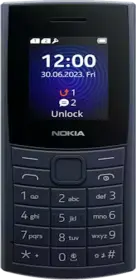
The Nokia 110 (2023) is a basic feature phone, not a smartphone. It exists to make calls, send texts and last for days on a charge at the lowest possible price, with an FM radio, an MP3 player and a torch, but no apps and no mobile data beyond 2G.
Nokia 110 (2023): Display
The 1.8-inch TFT LCD has a 120 x 160 resolution, enough to show contacts, menus and call information clearly.
This is a tiny, low-resolution screen by any modern measure, suited to calls and texts rather than reading or media.
Nokia 110 (2023): Camera
There is a single basic QVGA rear camera for occasional snaps, with no front camera.
Image quality is very low by design, so photography is not a reason to choose this phone.
Nokia 110 (2023): Battery
The 1,000mAh battery is small, but the tiny screen and minimal features mean it lasts for days of light use and weeks on standby.
Charging is over the older microUSB standard rather than USB-C, so a specific cable is needed.
Nokia 110 (2023): Size, Weight and Build
At 115.1 x 49.4 x 14.5mm and just 79.6g, the 110 is a pocketable plastic handset with a splash-resistant design and a dedicated microSD slot, in Charcoal and Cloudy Blue.
It is thick by phone standards but very light, and there is no formal water rating beyond splash resistance.
Nokia 110 (2023): Performance
This is a feature phone running Nokia's basic Series 30+ software, not Android, so it handles calls, texts, the radio and preloaded games but cannot run apps like WhatsApp or a browser.
Connectivity is limited to 2G with no Wi-Fi, Bluetooth or mobile internet, so it works only where 2G networks remain active, worth checking before buying.
Nokia 110 (2023): Who Should Buy
Buy the Nokia 110 (2023) as an ultra-cheap backup, an emergency phone, or a first phone for a child or older relative who needs only calls and texts. Anyone who needs apps, mobile data or a usable camera should choose a basic Android phone instead, such as the TCL 501. Buyers comparing upfront prices will find current deals in the table above.